
Pore & Scar Resurfacing
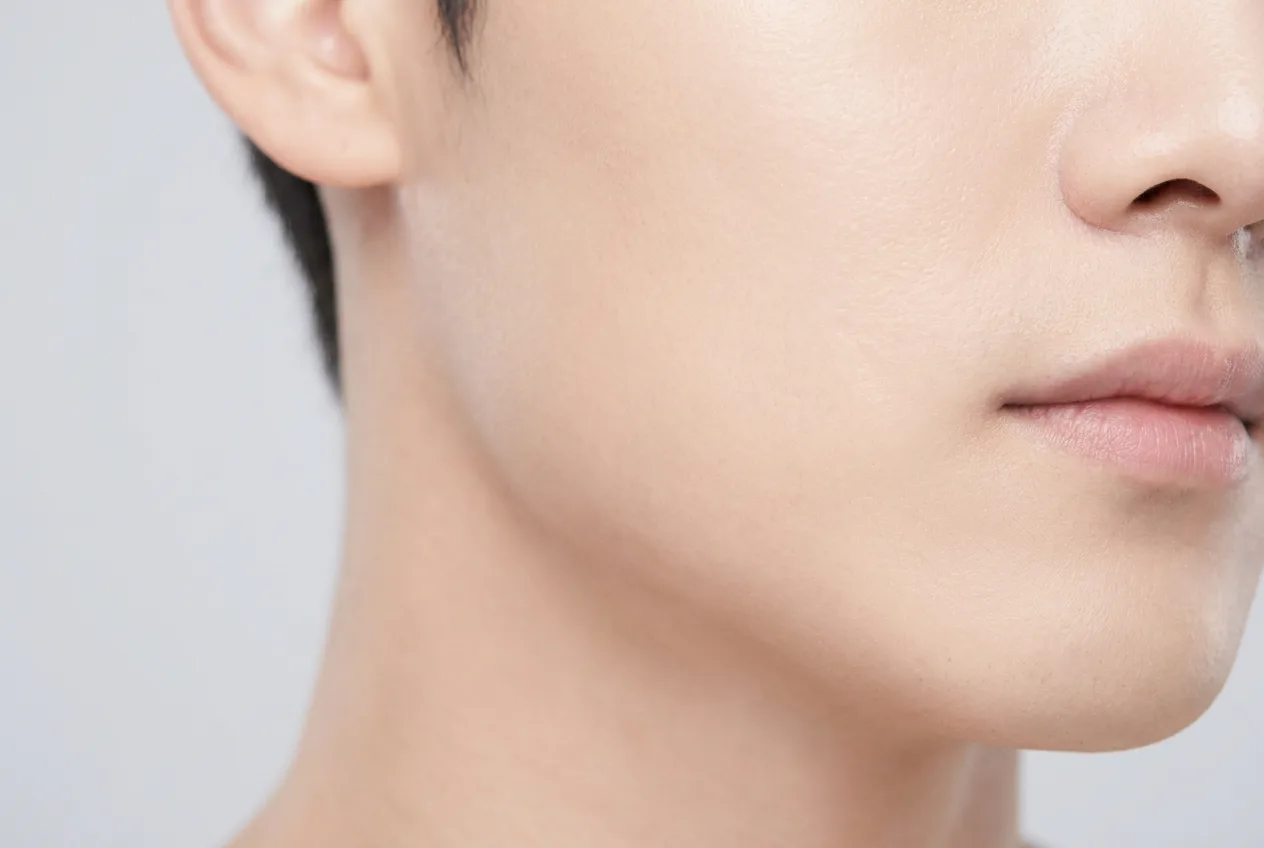
Pores and old acne scars are both texture problems, and texture is the slowest thing on the face to change. What works is controlled injury: creating thousands of microscopic columns of damage that the skin repairs with new collagen, then leaving it alone long enough to actually do the repairing.
We map the area before the first pass. Rolling scars, boxcar scars and simple enlarged pores each want a different depth and density, and a single blanket setting across the whole cheek is why so many courses disappoint. Deep boxcar scars may also need subcision — releasing the tethering band underneath — before any resurfacing is worth doing.
The session runs under topical anaesthetic. You will feel heat and a prickling sensation, and the skin will look sunburnt for the rest of the day. Over the following three days it dries, roughens slightly, and then sheds; by day four most patients are back in makeup. We give you a simple barrier routine for that week and ask you to leave the skin alone otherwise.
Collagen remodelling continues for around three months after each pass, which is why the interval matters more than the number of sessions. Booking them closer together does not speed the result; it just costs you more downtime for the same outcome.
Realistically, deep scarring improves rather than disappears. A well-run course of four sessions typically softens scar depth by half and evens the surrounding texture — a face that catches light smoothly rather than a face with no history. We will show you comparison photographs at the same angle so you can judge the change yourself.
At a glance
- Session length
- 45 minutes
- Course
- 3–5 sessions, 4 weeks apart
- Downtime
- 3–4 days
Outcomes vary from person to person, and side effects are possible with any medical procedure.
If anything unexpected appears after treatment, contact the clinic the same day.
Ask us whether this one is right for you.
Book a consultation